
There’s nothing more American than putting food on the table. But buried in the 1,000+ pages of the One Big Beautiful Bill Act is a quiet dismantling of the most vital nutrition program in the country—SNAP.
If you’ve never heard of SNAP, you’re not alone. The Supplemental Nutrition Assistance Program, formerly known as food stamps, is the backbone of hunger prevention in America. It feeds over 40 million people—working families, veterans, seniors, and children.
And right now, it’s under attack.
What Is SNAP?
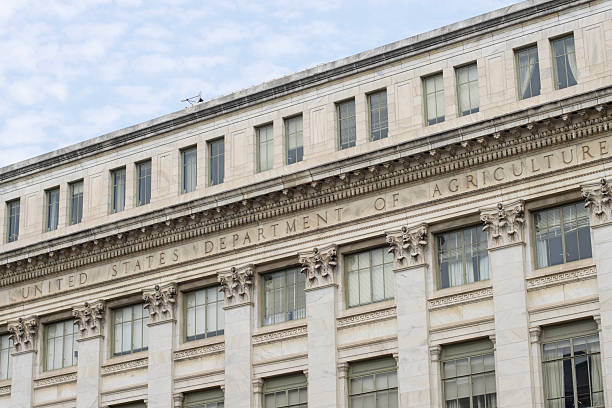
SNAP is a federally funded program administered by the U.S. Department of Agriculture (USDA). It provides monthly electronic benefits (EBT cards) that low-income individuals and families use to buy food. It’s the most effective anti-hunger program in the country.
- Established: Originally in 1964; current version under the 2008 Food and Nutrition Act
- Who It Helps: Seniors, people with disabilities, low-wage workers, children
- How It Works: Monthly deposits onto an EBT card usable at grocery stores and farmers markets
- 2023 Budget: Approximately $127 billion
It’s not just welfare. SNAP is a stimulus engine. Every dollar spent returns $1.50–$1.80 in local economic activity. It boosts grocery stores, supports farmers, and prevents hunger—all in one swipe.
What the Big Beautiful Bill Would Do
Here’s what the One Big Beautiful Bill Act proposes for SNAP—and it’s not pretty:
Stricter Work Requirements
- Raises age for Able-Bodied Adults Without Dependents (ABAWDs) from 49 to 59
- Requires monthly verification of work hours (at least 80/month)
- Restricts state waivers that currently exempt people in high-unemployment areas
Service Cuts and Program Rollbacks
- Eliminates nutrition education and obesity prevention programs
- Ends reimbursement for internet access tied to managing SNAP online—especially harmful for rural users
- Restricts eligibility for immigrants, even those lawfully present
- Mandates a “zero tolerance” policy on administrative errors
Burdens States, Not Just People
- Increases state responsibility for administrative costs without funding
- Uses “accuracy enforcement” as a cost-cutting tool, not a fraud prevention strategy
The Cost Shift: Before vs. After
| Category | Current (2023) | Proposed Change | Net Effect
| Total Program Cost | $127 billion | Unspecified reduction | ↓ est. $5–8 billion
| SNAP Admin & Tech | ~$5 billion | State share increased | Cost shift to states
| Nutrition Education Grants | $90 million | Eliminated | ↓ $90 million
| Emergency Food Assistance | $200 million (new) | One-time allocation | ↑ $200 million
| Total Program Cost | $127 billion | Unspecified reduction | ↓ est. $5–8 billion
| SNAP Admin & Tech | ~$5 billion | State share increased | Cost shift to states
| Nutrition Education Grants | $90 million | Eliminated | ↓ $90 million
| Emergency Food Assistance | $200 million (new) | One-time allocation | ↑ $200 million
Most of the “savings” come not from fraud prevention—but from disqualifying people who can’t meet these new hoops, especially older low-income workers, the disabled, and people in underdeveloped counties.
Commentary: What This Really Means
This isn’t about ending fraud. SNAP already has one of the lowest fraud rates in the federal government. This is about shrinking the rolls and shifting the cost to states while claiming a win on fiscal responsibility.
- Who benefits? Federal deficit hawks and corporate tax cut champions
- Who suffers? Millions of Americans who may miss meals, lose digital access, or get caught in paperwork errors
- What’s the precedent? These types of reforms mirror 1990s welfare rollbacks—more bureaucracy, less dignity
In short, the bill weaponizes bureaucracy to reduce access to food.
A Better Way Forward
There are smarter, more humane ways to manage a program like SNAP:
- Support work, don’t punish unemployment
→ Provide job training, transit, and childcare for ABAWDs instead of cutting them off - Maintain digital access
→ Rural areas rely on internet tools to manage benefits—cutting that access is regressive - Reform through data, not ideology
→ Pilot reforms in select states, study impacts, then decide—not the other way around - Respect mixed-status families
→ Many citizen children live in immigrant households. Excluding them is both cruel and counterproductive.
Final Thoughts & Call to Action
The One Big Beautiful Bill Act promises to balance budgets—but it does so by taking food from working families. That’s not beautiful. It’s brutal.
And unless people speak up, this part of the bill may sail through the Senate unnoticed.
CALL TO ACTION:
Contact your U.S. Senators today. Tell them you oppose the SNAP restrictions in the One Big Beautiful Bill Act. Demand policies that feed families, not bureaucracy.
Find your senators: https://www.senate.gov/senators/senators-contact.htm
Together, we can stop this from becoming law—and protect the most vulnerable among us.