





How Access to Credit Remains Unequal
Imagine walking into a bank, confident in your financial standing, only to be denied a loan simply because of where you live or the color of your skin. This isn’t a scene from a bygone era; it’s a reality that many Black and Latino Americans have faced—and continue to face—in the United States. ????????
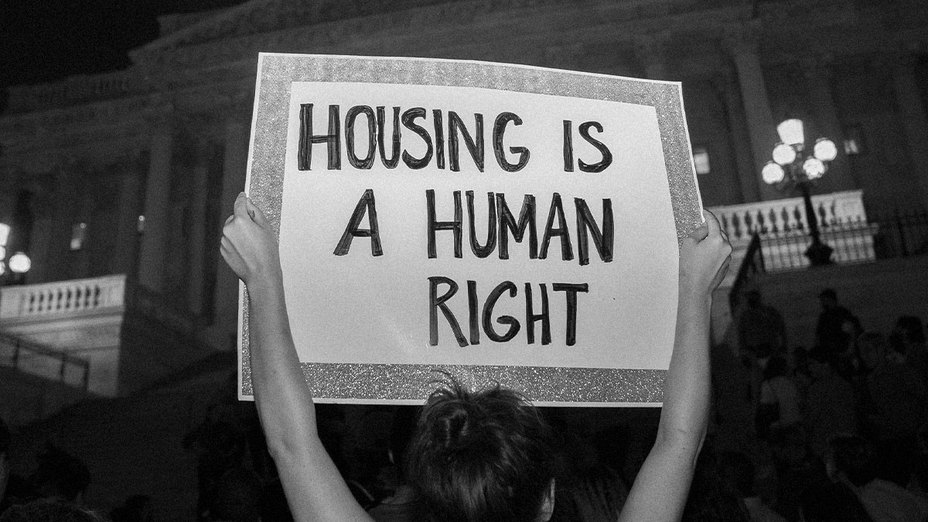
Access to credit is the gateway to economic opportunity. It enables families to purchase homes, fund businesses, and invest in their futures. Yet, for decades, discriminatory practices like redlining have systematically denied communities of color these essential opportunities, leading to long-term wealth disparities. ????????
This article uncovers how access to credit still remains unequal in America today. From the historical redlining maps of the 1930s to reverse redlining and modern-day lending lawsuits, we explore the many forms discrimination has taken—and continues to take—in the mortgage and financial industry. ???????? We’ll also look at recent legal settlements, appraisal disparities, and flawed credit scoring systems that continue to marginalize underserved communities.
Historical Redlining Maps (HOLC) ????️
In the 1930s, the Home Owners’ Loan Corporation (HOLC) created residential security maps to guide banks on which neighborhoods were “safe” investments. These maps color-coded areas:
???? “Best”
???? “Still Desirable”
???? “Definitely Declining”
???? “Hazardous”
If a neighborhood had a significant Black, Latino, Jewish, or immigrant population, it was almost always marked red. The redlined areas were essentially cut off from access to fair lending, not due to actual credit risk, but because of racial and ethnic composition. This led to widespread denial of mortgage loans in those communities—even for qualified applicants. ????????
The long-term impacts of these discriminatory practices are still visible today: lower property values, underfunded schools, crumbling infrastructure, and a massive racial wealth gap. For many Black families, redlining stripped away the possibility of homeownership—the cornerstone of generational wealth in America. ????????️
Modern Redlining Lawsuits (2010–2025) ⚖️
Despite redlining being outlawed by the Fair Housing Act of 1968, modern redlining persists in less overt but equally damaging ways. Investigations and lawsuits over the last 15 years reveal that some financial institutions still avoid lending in Black and Latino neighborhoods or impose stricter lending criteria. ????️♂️????️
In 2023, City National Bank made headlines by agreeing to a $31 million settlement after the Department of Justice (DOJ) found the bank failed to provide mortgage services to majority-Black and Latino neighborhoods in Los Angeles. According to the DOJ, the bank had only opened branches in majority-white areas despite a sizable Black and Latino population in the region. ????????
In 2024, First National Bank of Pennsylvania settled for $13.5 million for similar redlining allegations in North Carolina. The bank allegedly closed branches in diverse neighborhoods and failed to market or provide lending services there. ????????
These cases show that discrimination in lending is not a thing of the past—it’s a present and persistent issue. ????
Reverse Redlining and Predatory Loans in Black and Latino Communities ????????
While traditional redlining denies credit access, reverse redlining targets communities of color with predatory lending products. These are high-cost, high-risk loans offered disproportionately to borrowers in Black and Latino neighborhoods—often regardless of their credit scores or ability to qualify for better terms.
During the early 2000s housing boom, Black and Latino homeowners were twice as likely to be offered subprime loans compared to white borrowers—even when they had similar financial profiles. These loans came with balloon payments, high interest rates, and little consumer protection, leading many families into foreclosure during the 2008 housing crisis. ????️????
Sadly, traces of reverse redlining still exist. Payday loans, rent-to-own financing, and subprime auto loans continue to cluster in low-income communities of color. Financial literacy is not the problem—lack of access to trustworthy financial institutions is. ????❌
Disparities in Appraisals, Credit Scoring, and Lending Standards ????????
Inequality in the credit system also shows up in the mechanics of the mortgage process itself—from appraisals to credit scores and lending standards.
- ???? Biased Home Appraisals: Studies have shown that homes in Black-majority neighborhoods are appraised significantly lower than similar homes in white neighborhoods. In some cases, homeowners have had to “whitewash” their homes—removing Black family photos and having a white friend stand in for them—to get a fair valuation. ????????
- ???? Credit Scoring Inequities: Traditional credit scoring systems rely heavily on credit card usage and mortgage history. But many Black and Latino Americans are underbanked or unbanked, relying more on cash and alternative financial systems. As a result, these borrowers are penalized with lower scores—even if they’re financially responsible.
- ???? Unfair Lending Standards: Numerous studies have found that even when income and credit scores are held constant, Black and Latino borrowers are more likely to be denied loans or offered less favorable terms. Implicit bias, algorithmic discrimination, and outdated underwriting guidelines all play a role.
All of these factors—bias in appraisals, skewed credit scoring, and inconsistent lending practices—contribute to a cycle of exclusion for communities of color. ????????
Recent Settlements and What They Mean ????????
Legal action has become a key tool in fighting discriminatory lending. The DOJ’s redlining settlements are not just about compensation; they’re also about systemic change.
- City National Bank – $31 Million Settlement (2023) City National Bank agreed to a $31 million settlement after allegations of redlining in Los Angeles County. The bank reportedly avoided providing mortgage services in majority-Black and Hispanic neighborhoods. The settlement includes investments in loan subsidies, community outreach, and the establishment of new branches in underserved areas.
- First National Bank of Pennsylvania – $13.5 Million Settlement (2024) The bank faced allegations of discriminating against Black and Latino borrowers in North Carolina. The settlement mandates investments in loan subsidies and community development initiatives.
- Ameris Bank – $9 Million Settlement (2023) Ameris Bank settled allegations of redlining in Jacksonville, Florida, by agreeing to invest in loan subsidies, community outreach, and opening new branches in minority neighborhoods.
- Fairway Independent Mortgage Corporation – $8 Million Settlement (2024) Fairway faced allegations of redlining in Birmingham, Alabama. The settlement includes loan subsidies, community investments, and a civil penalty.
- OceanFirst Bank – $15.1 Million Settlement (2024) OceanFirst Bank settled allegations of redlining in New Jersey, agreeing to invest in loan subsidies, education, and community services.
- ESSA Bank & Trust – Over $3 Million Settlement (2023) ESSA faced allegations of redlining in Philadelphia. The settlement includes investments in loan subsidies and community outreach.
- The Mortgage Firm, Inc. – $1.75 Million Settlement (2025) The Mortgage Firm settled allegations of redlining in Miami, agreeing to invest in loan subsidies and community development.
- Washington Trust Company – $9 Million Settlement (2023) Washington Trust settled allegations of redlining in Rhode Island, agreeing to invest in loan subsidies and community outreach.
- Lakeland Bank – Over $13 Million Settlement (2022) Lakeland Bank faced allegations of redlining in New Jersey. The settlement includes investments in loan subsidies and community development.
These settlements send a strong message: unfair lending won’t be tolerated, and financial institutions must be proactive in building equity. ????✊
Conclusion
Access to fair credit is not just a financial issue—it’s a civil rights issue. ✊???? When entire communities are denied loans or targeted with predatory practices, the effects ripple through generations. From redlining maps of the past to today’s biased algorithms and appraisal practices, the legacy of discrimination continues to shape our economy. ????
To dismantle these systems, we need transparency, accountability, and systemic reform. Banks must reevaluate how they assess credit risk, train staff on implicit bias, and ensure equitable service to all borrowers—regardless of race or ZIP code. ✅????
???? Ask your lender for a fair loan review. Demand transparency in lending.
???? Stay Connected & Take Action:
???? Subscribe to this newsletter on LinkedIn, or follow the blog at
➡️ www.ericfrazier.com or www.thepowerisnow.com
???? Watch our interviews and updates on YouTube:
➡️ youtube.com/thepowerisnow
???? Need personalized advice or consultation? Whether you’re buying, selling, or building your business, I’m here to help.
➡️ Schedule your free discovery call today: https://www.ericfrazier.com
Your trusted advisor in business and wealth.
— Eric Lawrence Frazier, MBA
???? Sources
- National Public Radio. (2021, October 13). The legacy of redlining in shaping homeownership in Black communities. NPR. https://www.npr.org/2021/10/13/1045588040/redlining-homeownership-black-communities
- U.S. Department of Justice. (2023, January 12). Justice Department secures over $31 million from City National Bank to address redlining allegations. https://www.justice.gov/opa/pr/justice-department-secures-over-31-million-city-national-bank-address-lending
- U.S. Department of Justice. (2024, February 28). First National Bank of Pennsylvania to pay $13.5 million to settle redlining claims. https://www.justice.gov/opa/pr/first-national-bank-pennsylvania-pay-135-million-settle-redlining-claims