
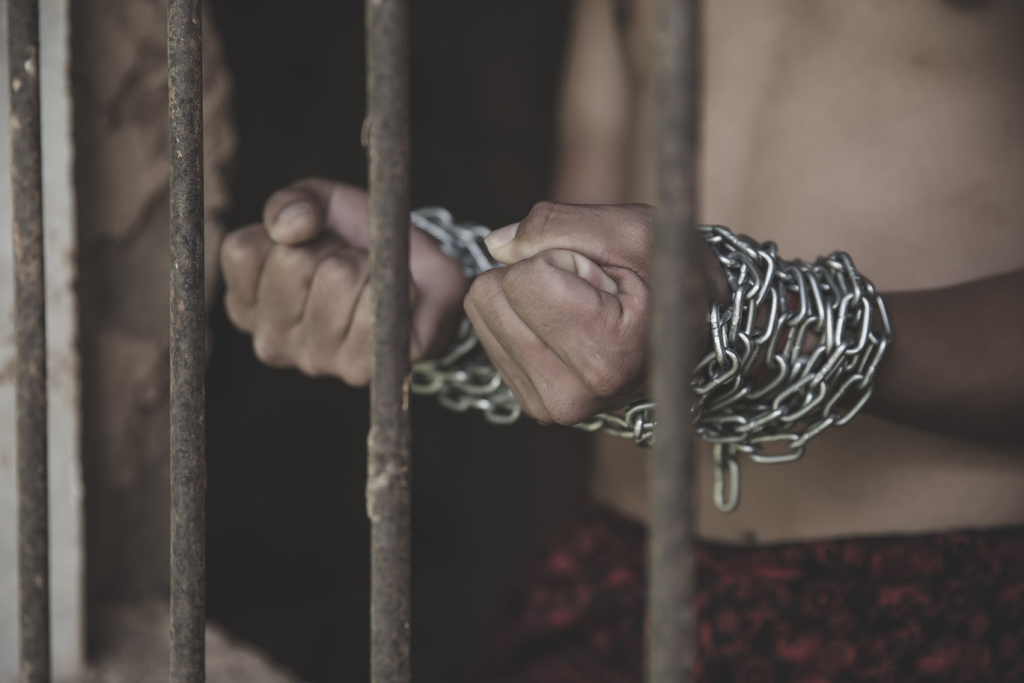
Juneteenth may mark the end of slavery, but for Black folks in America, the fight for true freedom extended far beyond that joyous day in 1865. The dream of land ownership, whispered among newly freed slaves, became a central goal in their pursuit of independence. Land represented not just economic stability, but also self-determination and the chance to build a lasting legacy. Yet, this promise of land ownership was often dangled tantalizingly close, only to be snatched away, creating a legacy of dispossession that reverberates through Black America today.
The Promise and Betrayal of 40 Acres and a Mule
The embers of the land ownership dream were ignited by General William Tecumseh Sherman’s Special Field Order No. 15, issued in January 1865. This order aimed to redistribute roughly 400,000 acres of confiscated Confederate land into 40-acre parcels to be allocated to formerly enslaved families. Imagine, brother, sister – a piece of land to call your own, a place to plant roots, to build a future. For many, this was the very essence of freedom.
However, the joy was short-lived. After President Abraham Lincoln’s assassination, Andrew Johnson, who succeeded him, had little sympathy for this radical transformation. Johnson, a Southerner with pro-Confederate leanings, swiftly rescinded most of the land allocations. The subsequent Reconstruction policies were riddled with loopholes and ambiguities, heavily favoring white landowners. This period saw the establishment of sharecropping systems, which, although appearing to offer a solution, effectively kept Black families in cycles of debt and poverty.
However, the joy was short-lived. After President Abraham Lincoln’s assassination, Andrew Johnson, who succeeded him, had little sympathy for this radical transformation. Johnson, a Southerner with pro-Confederate leanings, swiftly rescinded most of the land allocations. The subsequent Reconstruction policies were riddled with loopholes and ambiguities, heavily favoring white landowners. This period saw the establishment of sharecropping systems, which, although appearing to offer a solution, effectively kept Black families in cycles of debt and poverty.
Sharecropping allowed freedmen to work the land and share the crops with the owner, but the system was rigged. Unfair contracts, exorbitant fees, and violence kept Black sharecroppers firmly under the thumb of white landowners.
The Role of Sharecropping and Economic Oppression
Sharecropping emerged as a dominant labor system in the post-Civil War South, ostensibly offering freedmen a path to economic independence. In practice, however, it perpetuated a quasi-feudal system that kept Black families bound to the land they worked, under terms dictated by white landowners.
Sharecroppers were often given small plots to cultivate, with the understanding that they would receive a portion of the crop’s value at harvest time. However, the system was marred by exploitative practices.
Contracts were typically written to favor the landowners, who retained control over key decisions, including what crops to plant and where to sell them. Black sharecroppers were often forced to buy seeds, tools, and other supplies on credit from the landowner’s store, at inflated prices. At the end of the season, after settling these debts, sharecroppers found themselves with little to no profit, ensuring their continued dependency.
Building Self-Sufficient Communities and Facing Backlash
Despite these systemic obstacles, Black farmers in the South managed to build self-sufficient communities. Land ownership was not just an economic necessity but a means of creating stable, thriving Black communities. Schools, churches, and businesses emerged as centers of Black life, fostering a sense of autonomy and solidarity.
This autonomy threatened the status quo, prompting severe backlash from white Southerners. Through intimidation, violence, and discriminatory practices, white landowners and local governments sought to undermine Black land ownership. This hostility manifested in numerous ways, from the violent enforcement of racial hierarchies through groups like the Ku Klux Klan to the use of legal and financial tools to dispossess Black landowners.
Redlining, a discriminatory practice where banks and insurance companies denied services to residents in predominantly Black neighborhoods, further entrenched these inequalities. This practice prevented Black families from obtaining mortgages and affordable insurance, perpetuating the racial wealth gap.
The Continuing Legacy of Land Dispossession
The legacy of land dispossession is a heavy weight on our community. It is a significant factor behind the persistent gap in homeownership rates between Black and white Americans. According to recent data, Black homeownership rates are nearly 30 percentage points lower than those of white Americans. This gap has profound implications for wealth accumulation, as homeownership is a primary means of building generational wealth in America.
Efforts to Reclaim Land and Foster Homeownership
Despite these historical and ongoing challenges, the fight for Black land ownership is far from over. Organizations like the National Black Land Development Corporation and the Federation of Southern Cooperatives/Land Assistance Fund are working tirelessly to help Black families reclaim land and achieve homeownership. These organizations provide critical support, including legal assistance, education on land rights, and access to financing.
Community land trusts (CLTs) are also playing a crucial role in this struggle. CLTs are nonprofit organizations that acquire and steward land for the benefit of a community, ensuring that it remains affordable and accessible. By separating the ownership of land from the ownership of buildings, CLTs provide an alternative model of homeownership that protects against gentrification and speculative investment. These trusts ensure that the land remains in the hands of the community, providing affordable housing options and preserving the cultural and historical heritage of Black neighborhoods.
Fighting Modern-Day Land Grabs and Gentrification
Gentrification, the modern-day land grab, continues to displace Black families from their historic neighborhoods. As urban areas undergo development, rising property values and taxes often force long-term residents to move. This displacement disrupts communities, erases cultural heritage, and further hinders efforts to build generational wealth.
Advocacy for fair lending practices and policies that dismantle systemic barriers is crucial in combating these trends. Efforts are underway to promote equitable development, ensuring that growth benefits all residents and protects the rights and interests of historically marginalized communities.
Conclusion: A Call to Action
Juneteenth is a celebration of freedom, but it is also a poignant reminder of the unfinished business of racial justice. Land ownership is a cornerstone of this ongoing fight. It is about building a future where Black families have a secure foundation, where our communities can thrive, and where the dream of 40 acres and a mule, though long overdue, can finally be realized.
This is our story, a story of resilience, resistance, and the unwavering pursuit of a dream. Each of us has the power to contribute to this fight by supporting initiatives that promote Black landownership and advocating for equitable housing policies. Together, we can write the next chapter of this story, ensuring that the dream of land and true freedom for Black Americans is not just a distant hope, but a present reality.
Let us keep the dream alive. Let us continue to fight for the land that is rightfully ours.
If the spirit of Juneteenth inspires you to take steps toward your own future, I invite you to schedule a consultation with me. Together, we can navigate the journey to homeownership, honoring our heritage and building a brighter future for our community. I am dedicated to helping Black Americans achieve their dreams and ensuring that the path to owning a home is accessible and rewarding. Let’s work together to turn the promise of freedom into a reality for everyone.
Eric Lawrence Frazier MBA
President | CEO | Advisor
Real Estate | Mortgage | Business | Media | Marketing
The Power Is Now Media Inc.
800-401-8994 ext. 703
Direct: 714-475-8629
CA DRE: 01143484 NMLS: 461807
Appointment Calendars:
Homebuyer consultation: https://calendly.com/ericfrazier/homebuyerconsultation
Homeseller consultation: https://calendly.com/ericfrazier/realestateconsultation
Real Estate Agent Consultation: https://calendly.com/ericfrazier/agentorientation